
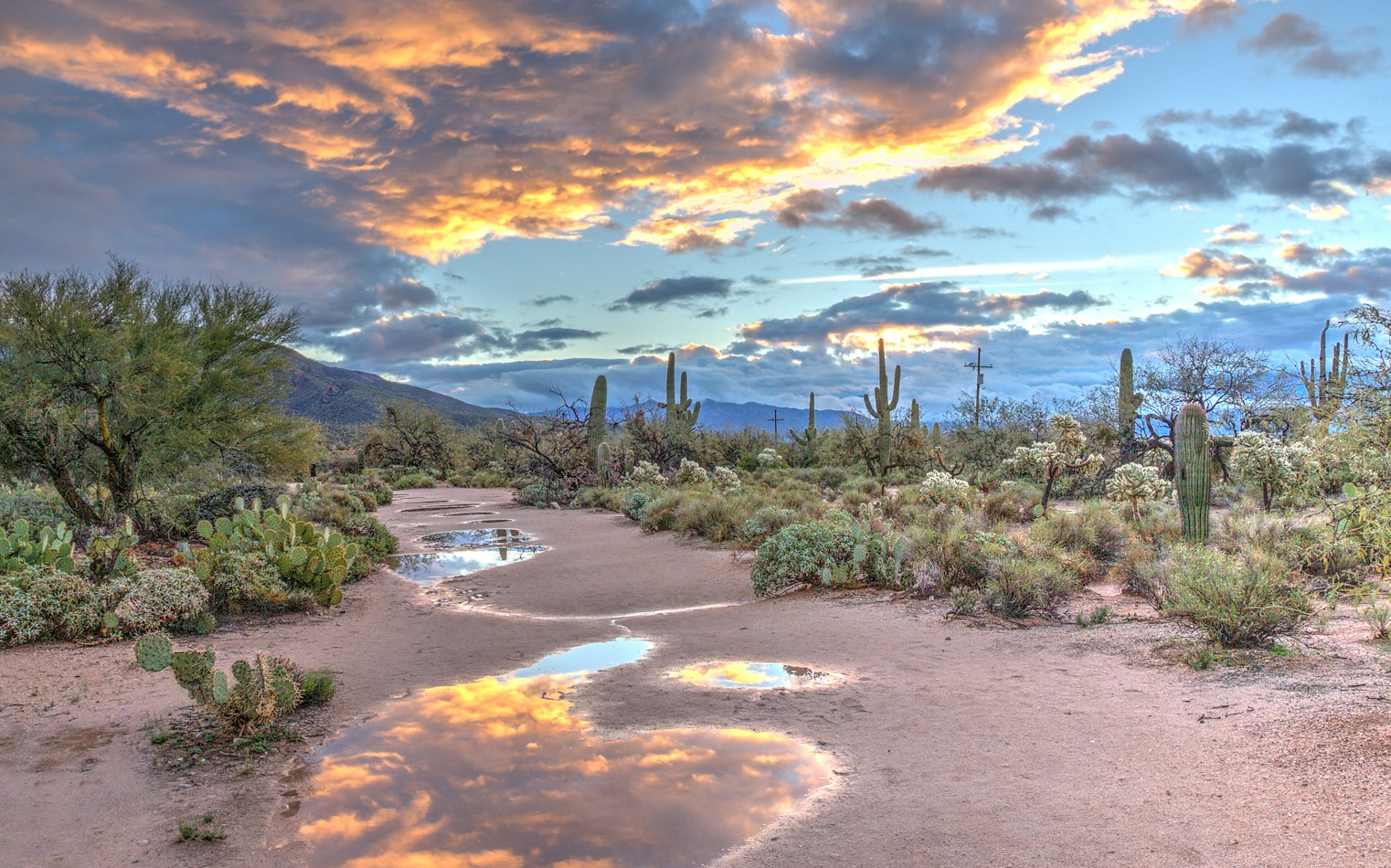
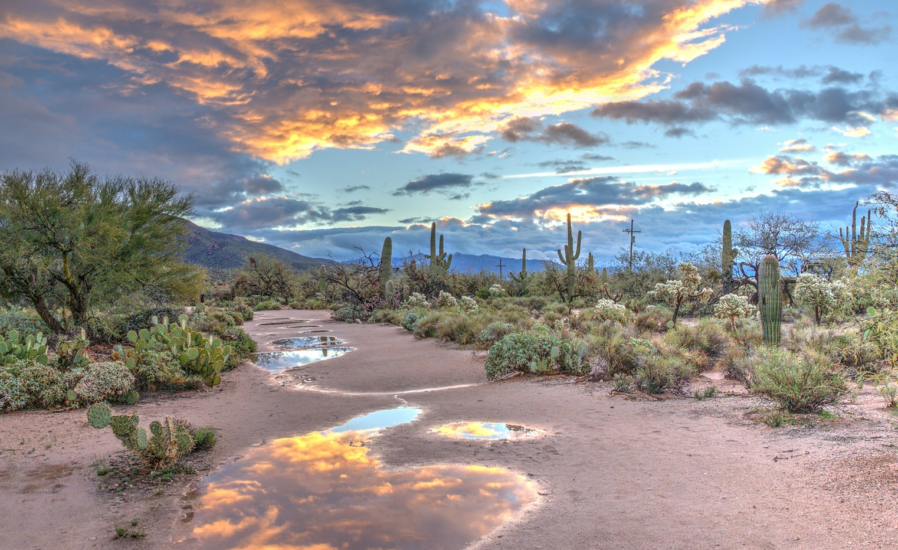
We know how to make an outdoor space sing, and when it comes to the captivating desert landscapes of Arizona, the possibilities are as endless as the horizon. As your trusted Listicle Content Architects, we’ve scoured the sun-drenched terrain, consulted with the most discerning garden gurus, and distilled the essence of what makes an Arizona yard truly an oasis. Forget the monotonous expanse of gravel and cacti (though we love them too!); we’re talking about creating breathtaking havens that are both drought-tolerant and dripping with style. Get ready to transform your patch of Sonoran sun into a stunning sanctuary with our top 10 Arizona landscaping ideas.
When we think of Arizona, we think of water conservation. Xeriscaping isn’t just a buzzword; it’s a lifestyle. It’s about designing landscapes that require little to no irrigation beyond natural rainfall. This isn’t about sacrificing beauty for practicality; it’s about celebrating plants that have evolved to thrive in arid conditions, showcasing their unique textures, colors, and forms. We believe that a well-executed xeriscape can be more visually interesting and ecologically sound than a thirsty, high-maintenance lawn.
Low-Water Native Plants: The Stars of the Show
We absolutely adore incorporating native plants. They are the unsung heroes of Arizona ecosystems, perfectly adapted to our climate and soil. Think of the majestic saguaro cactus, a true icon, standing sentinel over your landscape. But it doesn’t stop there! We can weave in the vibrant hues of desert wildflowers like prickly pear blooms in shades of magenta and sunny yellow, the delicate beauty of ocotillo, with its fiery red flower spikes, or the graceful sway of desert grasses that offer a softer, more textured element.
- Cacti and Succulents Galore: Of course, we can’t talk about Arizona without mentioning our spiky friends. We’ll strategically place varied sizes and shapes of cacti – from the towering saguaro to the hedgehog cactus with its abundant blooms, and the whimsical jumping cholla. Succulents, with their diverse forms and colors, add pops of green, blue, and even reddish hues. Think of agave varieties with their dramatic rosettes, echeverias with their jewel-like appearances, and sedums that offer a trailing, groundcover effect. Mixing their textures and forms creates visual intrigue and a sense of abundance without demanding much.
- Drought-Tolerant Shrubs and Trees: Beyond the cacti, we can introduce shrubs and trees that are champions of drought tolerance. The Palo Verde, meaning “green stick,” offers beautiful yellow blooms in spring and provides vital shade. Mesquite trees, with their airy canopies and tough nature, are another excellent choice, offering habitat for birds and a lovely dappled light. Consider creosote bush for its unique scent after rain and its ability to thrive in extremely arid conditions, or the Texas Ranger (also known as Texas Sage or Purple Sage) for its stunning purple blooms that appear after rain. These provide structure, height, and a much-needed natural canopy.
- Desert Groundcovers and Perennials: Don’t forget the smaller elements! We can utilize creeping groundcovers like Woolly Stemora or Trailing Lantana to soften edges and suppress weeds. Desert marigold offers cheerful yellow blooms that persist for long periods, while penstemons provide elegant spikes of color, attracting hummingbirds. These lower-growing plants fill in the spaces, adding layers of texture and color without requiring frequent watering.
Smart Irrigation: When You Do Need a Drink
Even with xeriscaping, there might be a period of establishment or an unusually dry spell where some supplemental watering is beneficial. We champion smart irrigation systems that deliver water precisely where and when it’s needed. Drip irrigation is our absolute go-to. This system delivers water directly to the root zone of plants, minimizing evaporation and runoff. We can also incorporate smart controllers that adjust watering schedules based on weather data and soil moisture sensors, ensuring we’re not wasting a single drop.
- Drip Systems Deconstructed: We’ll explain the components: the main line, emitter tubing, and various emitters tailored to different plant needs. This low-pressure system is highly efficient and can be easily customized for various plant types and densities.
- Rainwater Harvesting Hooks: While Arizona doesn’t receive abundant rainfall, every drop counts! We can integrate rainwater harvesting systems, like rain barrels or cisterns, to capture what precipitation does fall, which can then be used for supplemental watering of your drought-tolerant plants.
- Mulching Magic: The application of appropriate mulch is crucial in xeriscaping. We recommend gravel, decomposed granite, or even shredded bark as mulch. This helps retain soil moisture, suppress weeds, and regulate soil temperature. It also adds a finished, aesthetically pleasing touch to your landscape design.
If you’re looking for inspiration and ideas for transforming your outdoor space, you might find the article on Arizona landscaping particularly helpful. It showcases various landscaping styles and techniques that can thrive in the unique climate of the region. For more insights and stunning visuals, check out this related article: Arizona Landscaping Gallery.
2. Create Defined Outdoor Rooms: Maximizing Your Space and Functionality
We believe that your backyard shouldn’t just be a flat expanse; it should be an extension of your living space, offering distinct areas for different activities. By creating defined “outdoor rooms,” we can break up large yards, create intimate seating areas, and maximize the overall functionality and enjoyment of your property. This approach also helps with drainage and can better showcase various landscaping elements.
The Entertainment Hub: Dining and Gathering Areas
Imagine stepping out onto a beautifully paved patio, perfect for hosting al fresco dinners or simply enjoying a cup of coffee in the morning sun. We design these spaces with comfort and flow in mind, ensuring ample room for seating, tables, and perhaps even an outdoor kitchen or fire pit.
- Paving Perfection: We’ll discuss different paving materials suitable for Arizona’s climate, such as pavers, flagstone, or stamped concrete. Each offers unique textures, colors, and durability. We prioritize materials that stay cooler underfoot during our hot summer months.
- Shade Solutions: To make these areas truly usable, shade is paramount. We can incorporate pergolas, shade sails, or strategically planted trees to provide relief from the intense sun. Retractable awnings are also a fantastic option for flexibility.
- Ambiance Enhancers: Lighting is key to extending the usability of your outdoor rooms into the evening. We’ll talk about landscape lighting that enhances safety, highlights architectural features, and creates a warm, inviting atmosphere for entertaining. String lights, uplighting for trees, and path lights all play a role.
The Tranquil Retreat: Serene Seating Nooks
Sometimes, what we crave is a quiet corner to relax and unwind. We can create these intimate “rooms” using natural elements like strategically placed boulders, lush planting beds, or even a small water feature. These become our personal sanctuaries, nestled away from the hustle and bustle.
- Secluded Seating: Think of a comfortable bench nestled under the shade of a mesquite tree, or a cozy seating area surrounded by fragrant desert native plants. The sense of enclosure, even without walls, is key to creating this feeling of retreat.
- Water Features for Serenity: The gentle sound of trickling water is incredibly calming. We can incorporate small, self-contained water features like tabletop fountains, bubbling rocks, or even a modest reflecting pool. These add a touch of tranquility and can also attract beneficial wildlife.
- Sensory Gardens: Incorporating plants with soothing scents, like lavender or rosemary (while drought-tolerant varieties are preferred), or plants with interesting textures that invite touch, can further enhance the sensory experience of these tranquil retreats.
3. Incorporate Water Features: The Oasis Element
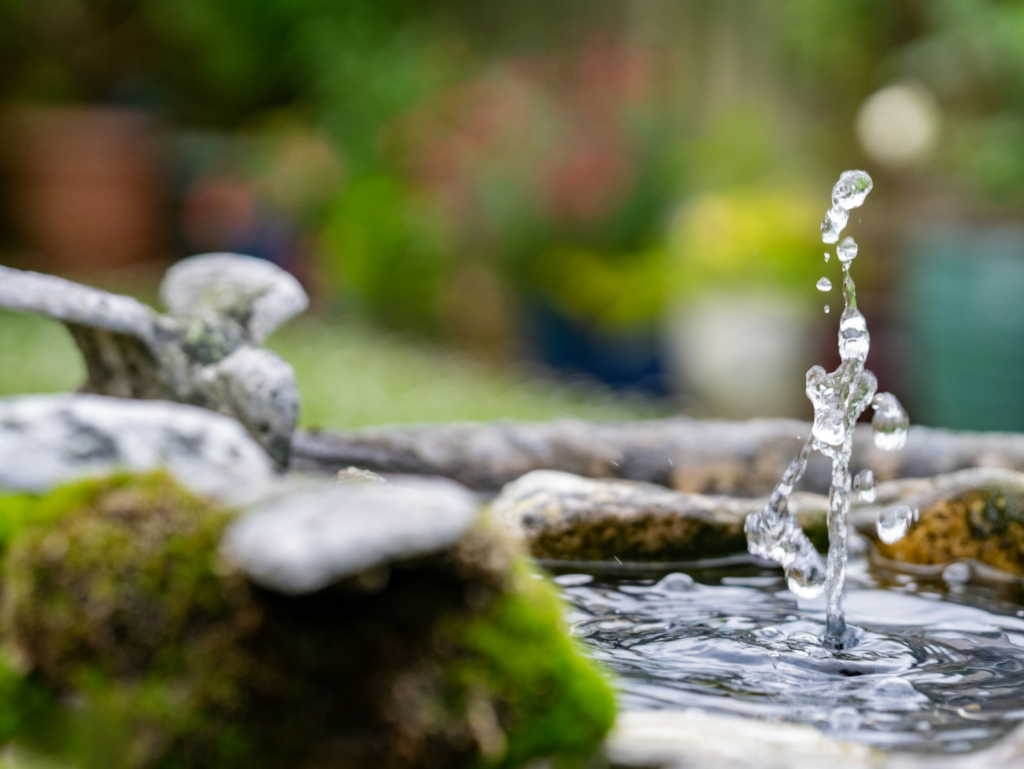
While we champion water conservation, we believe that a well-placed, thoughtfully designed water feature can elevate an Arizona landscape from beautiful to truly breathtaking. It’s about creating a focal point, adding the soothing sound of moving water, and attracting local wildlife. The key is to be smart and deliberate with water usage.
Reflecting Pools and Ponds: Mirroring the Sky
A still reflecting pool can be a stunning addition, mirroring the vast Arizona sky and the surrounding desert flora. We can design these in various sizes and depths, ensuring they are easily maintained and contribute to the overall aesthetic.
- Low-Water Designs: We’ll explore options for water features that require minimal water volume, such as shallow basins or drought-tolerant aquatic plants if a pond is considered. The idea is to create the illusion of abundant water without the waste.
- Wildlife Habitats: Even a small water feature can become a magnet for birds and other beneficial creatures, adding a dynamic element to your oasis. Consider adding a shallow “beach” area for birds to safely drink and bathe.
- Subtle Illumination: At night, a gently lit reflecting pool can transform your yard into a magical space, reflecting the stars and creating a serene ambiance.
Bubbling Rocks and Cascades: The Sound of Serenity
For those who crave the sound of moving water, bubbling rocks or small cascades offer a more active water feature. The gentle gurgling or trickling sound can be incredibly therapeutic and masks unwanted ambient noise.
- Efficient Pump Systems: We’ll ensure these features utilize energy-efficient pumps and are designed for minimal water loss through evaporation.
- Naturalistic Integration: The goal is to make these features look as though they’ve always been a part of the natural landscape, blending seamlessly with rocks and planting.
4. Elevate with Hardscaping: Structure, Flow, and Finesse
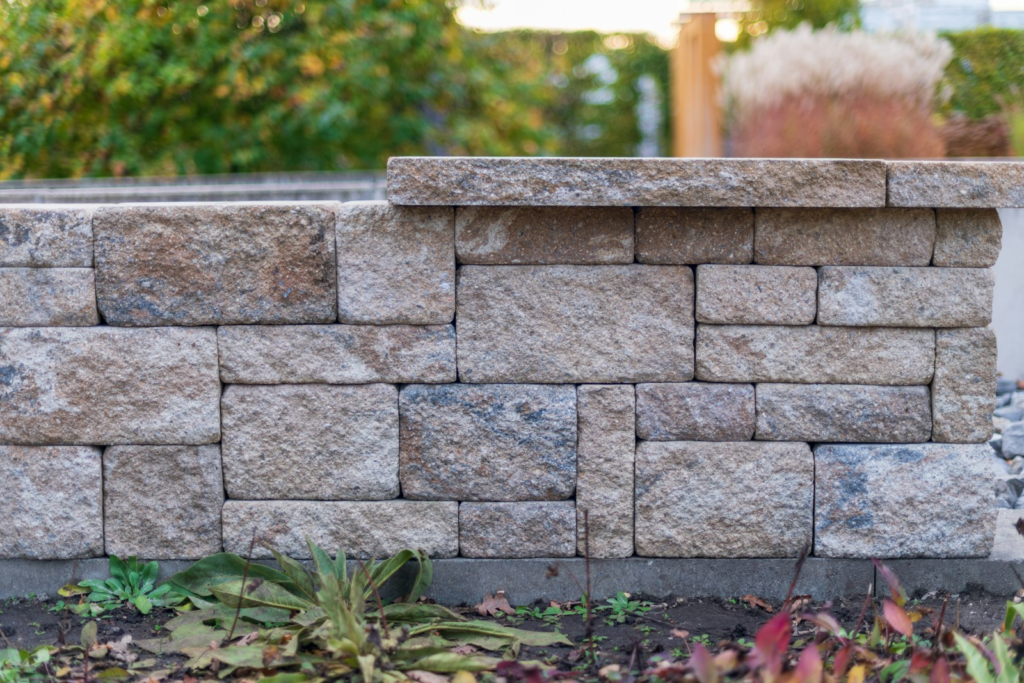
Hardscaping is the backbone of any beautiful landscape, especially in Arizona. It provides structure, defines pathways, creates gathering spaces, and adds a timeless elegance. We believe in using materials that are not only durable and suited to our climate but also complement the natural beauty of the desert.
Stylish Pathways: Guiding Your Journey
We’re not just talking about getting from point A to point B; we’re talking about creating an experience. Thoughtfully designed pathways can meander through your garden, beckoning exploration and revealing hidden gems.
- Natural Stone and Pavers: We love the look and feel of flagstone paths, creating a rustic and organic feel. Interlocking pavers offer a more uniform and structured look, and we can choose colors and patterns that blend with your home’s architecture.
- Decomposed Granite and Gravel: For a more casual and permeable option, decomposed granite or attractive gravel can create beautiful, natural-looking pathways that allow water to drain through.
- Integrated Lighting: Incorporating subtle path lighting along your walkways is essential for safety and creates a magical ambiance after dark, guiding visitors through your outdoor paradise.
Retaining Walls and Terracing: Sculpting the Landscape
Arizona’s terrain often presents slopes and changes in elevation. We can transform these challenges into stunning design features using retaining walls and terracing. This not only adds visual interest but also allows for better water management and the creation of level planting areas.
- Natural Stone and Block: We can utilize materials like stacked stone, concrete blocks, or even reclaimed wood to create visually appealing and structurally sound retaining walls that enhance the topography of your yard.
- Flowering Terraces: Terraced gardens can be planted with vibrant desert flora, creating cascading displays of color and texture that become focal points of the landscape.
For those interested in enhancing their outdoor spaces, exploring the various options for Arizona landscaping can be incredibly beneficial. A related article that provides valuable insights and tips is available at this link. It covers a range of topics, from drought-resistant plants to design ideas that complement the unique climate of the region, making it a great resource for homeowners looking to create a beautiful and sustainable landscape.
5. Embrace Color and Texture: A Symphony of Desert Hues
Arizona is a land of subtle yet profound color. We believe in harnessing this palette, layering different shades and textures to create a dynamic and captivating landscape that changes with the seasons. It’s about more than just green; it’s about the earthy tones, vibrant blooms, and the interplay of light and shadow.
Seasonal Blooms: Nature’s Ever-Changing Masterpiece
While many desert plants are evergreen, we can strategically incorporate species that offer seasonal bursts of color, ensuring your landscape is always vibrant.
- Springtime Spectacle: The desert awakens in spring with a riot of color from wildflowers, cacti blooms, and flowering trees like the Palo Verde. We’ll select plants that extend this blooming period.
- Summer Scorched Beauties: Even in the heat of summer, certain plants like desert marigold, verbena, and some varieties of Lantana continue to flower, offering a splash of color.
- Autumn Accents: While not a season of dramatic fall color like some regions, we can find plants with subtle shifts in hue or interesting seed heads that provide visual interest. The vibrant red berries on some native shrubs can offer a touch of autumnal appeal.
- Winter Wonders: Many desert plants remain vivid in winter, and the skeletal beauty of some cacti and succulents also offers a unique textural appeal against a sometimes stark winter sky.
Textural Play: The Tactile Garden
Beyond color, texture is what brings a landscape to life. We can create a rich tapestry by combining plants with contrasting textures – the smooth, waxy leaves of succulents against the rough, sculptural forms of cacti, or the delicate fronds of desert grasses alongside the bold, architectural shapes of agave.
- Contrasting Foliage: We’ll mix plants with fine-leaved foliage with those boasting broader, more substantial leaves. Think of the feathery appearance of mesquite trees alongside the dense, fleshy leaves of echeverias.
- Sculptural Elements: Cacti and succulents naturally offer incredible sculptural qualities. We’ll use these as focal points, their unique shapes and forms commanding attention.
- Groundcover Variety: Employing a variety of groundcovers, from fine-grained succulents to low-growing, creeping plants, adds another layer of textural interest at a lower level.
To truly create a stunning outdoor oasis in Arizona, we believe in a holistic approach. It’s about celebrating the resilience and beauty of the desert, while artfully integrating elements that provide comfort, functionality, and visual delight. We’ve shown you how to think about water-wise planting, define your spaces, incorporate soothing water features, build with robust hardscaping, and paint with a palette of desert colors and textures. Now, it’s your turn to bring these ideas to life and revel in the breathtaking sanctuary you’ve created.
FAQs
What is Arizona landscaping?
Arizona landscaping refers to the design and maintenance of outdoor spaces in the state of Arizona, taking into account the unique climate, soil, and plant species native to the region.
What are some common features of Arizona landscaping?
Common features of Arizona landscaping include the use of drought-tolerant plants, desert landscaping elements such as rocks and gravel, and efficient irrigation systems to conserve water.
What are some popular plants for Arizona landscaping?
Popular plants for Arizona landscaping include cacti, succulents, agave, yucca, desert marigold, and desert spoon. These plants are well-suited to the arid climate and require minimal water.
What are some key considerations for Arizona landscaping?
Key considerations for Arizona landscaping include selecting plants that can withstand high temperatures and low water availability, using native plants to support local ecosystems, and incorporating shade structures to provide relief from the intense sun.
What are some sustainable practices for Arizona landscaping?
Sustainable practices for Arizona landscaping include xeriscaping, which focuses on water conservation through efficient irrigation and the use of drought-tolerant plants, as well as using organic mulch to retain soil moisture and suppress weed growth.
Last modified: July 9, 2026