
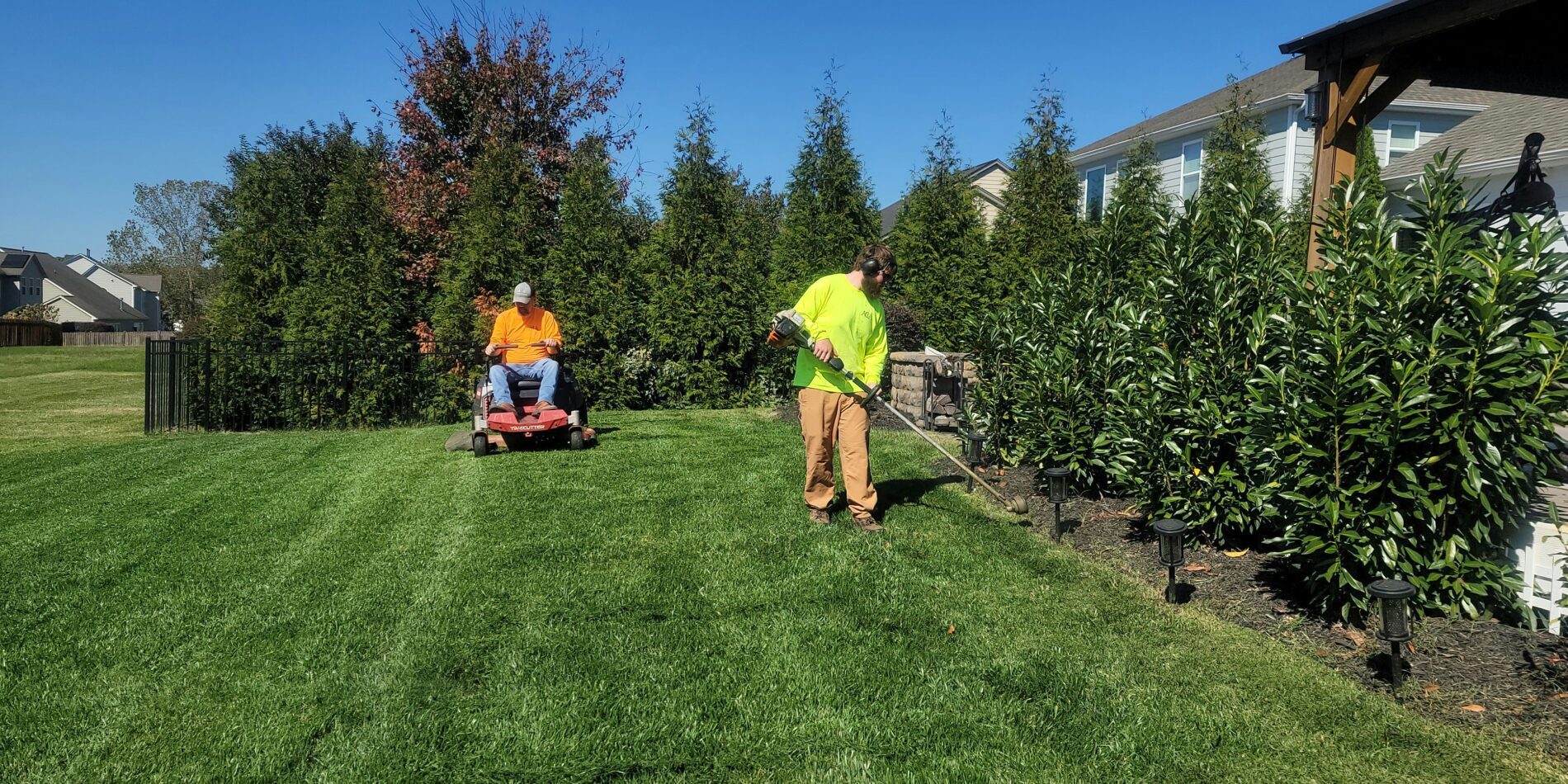
We love breathing new life into our shared spaces, and what better place to start than our magnificent cathedral cities? These historic hubs, often brimming with architectural marvels, deserve landscaping that complements their grandeur, enhances their sacred atmosphere, and delights both residents and visitors. As LCA, we’ve scoured the globe, absorbing inspiration from ancient cloisters to modern eco-developments, to bring you our definitive collection of 10 stunning cathedral city landscaping ideas. We believe these principles can transform any urban landscape into something truly spectacular.
1. Emphasizing Sacred Geometry and Natural Harmony
Our first principle revolves around a deep understanding of the spiritual and geometrical underpinnings that often inform cathedral design. For centuries, these structures were built with divine proportions and sacred geometry in mind, creating a sense of order and harmony. We can echo this in our landscaping by incorporating similar principles, not in a rigid, overly formal way, but by letting them guide the flow and design.
A. The Cloistered Garden Reimagined
Imagine the serene courtyards of ancient monasteries. We can take that peaceful essence and bring it into the modern cathedral city. This involves creating pockets of calm, often walled or partially enclosed, featuring thoughtful planting schemes. Think of soft, muted foliage creating a sense of enclosure and introspection. We want to evoke that same feeling of hushed reverence.
- Structured Serenity: Incorporate low, manicured hedges or boxwood borders to subtly define pathways and planting beds. This provides a sense of order without being overly imposing, mirroring the architectural lines of the cathedral. We’re aiming for an elegant restraint.
- Sensory Sanctuary: Introduce plants with calming scents like lavender, rosemary, and chamomile. The gentle rustling of ornamental grasses also adds to the peaceful ambiance. This is about engaging multiple senses in a gentle, soothing way.
- Water Features as Meditative Elements: A small, trickling fountain or a still reflecting pool can create a focal point for quiet contemplation. The gentle sound of water is universally calming and adds a layer of visual interest without being distracting. We prefer subtlety here.
B. Biophilic Design Principles for Spiritual Connection
We believe in the power of connecting people with nature, and this is especially potent when done in close proximity to sacred sites. Biophilic design aims to integrate natural elements and processes into the built environment, fostering a deeper sense of well-being and spiritual connection.
- Living Walls and Green Roofs: Where appropriate and structurally sound, consider incorporating living walls on adjacent buildings or green roofs. These not only enhance biodiversity and manage stormwater but also soften the urban edges and bring the natural world closer to the cathedral’s footprint. This is a powerful way to introduce greenery.
- Tree Canopies as Natural Vaults: Strategically planting trees with significant canopy spread can create natural “vaults” of greenery, offering shade and a sense of being sheltered by nature, much like the cathedral’s stone vaults offer shelter. We envision a harmonious interplay between the built and the growing.
- Natural Materials Integration: Utilize natural stones, wood, and gravel in pathways and seating areas. This grounds the landscaping and brings the tactile textures of nature into the urban fabric, creating a more organic feel. We want to feel connected to the earth.
When considering the various aspects of cathedral city landscaping, it’s essential to understand the broader benefits of home landscaping as well. An insightful article discusses three key advantages of investing in landscaping for your home, which can enhance both its aesthetic appeal and overall value. To learn more about these benefits, you can read the article here: Want to Do Landscaping? Here Are 3 Benefits of Home Landscaping.
2. Harmonizing with Historic Architecture
The architectural majesty of a cathedral is our primary muse. We must ensure our landscaping enhances, rather than competes with, these iconic structures. This means understanding the architectural style, materials, and historical context of the cathedral itself.
A. Material Palette Reflecting Heritage
The choice of materials in our landscaping is paramount to creating a cohesive visual narrative. We aim to select materials that echo the stone, timber, and metalwork of the cathedral, creating a sense of continuity.
- Local Stone and Paving: Where possible, source local stone for pathways, retaining walls, and decorative elements. This not only supports regional economies but also ensures visual harmony with the cathedral’s existing stonework. Think of the weathered charm of centuries-old stone.
- Timeless Timber Accents: Use durable, sustainably sourced timber for benches, pergolas, and planters. The warmth and texture of wood can provide a softening counterpoint to the stone and metal, adding a touch of natural elegance. We love how wood ages gracefully.
- Subtle Metalwork: If incorporating metal elements, such as lighting fixtures or railings, opt for finishes that complement the cathedral’s historical metalwork, such as wrought iron or aged brass, avoiding anything too modern or garish. The goal is understated quality.
B. Scale and Proportion: A Delicate Balancing Act
The sheer scale of a cathedral demands careful consideration of proportion in our landscaping. We don’t want to overwhelm the senses with overly grand gestures that detract from the main attraction.
- Human-Scale Interventions: While the cathedral itself is monumental, our landscaping should create intimate, human-scale spaces within its vicinity. Think of cozy seating nooks, thoughtfully designed plazas, and accessible pathways that invite exploration at a personal level. We want people to feel comfortable and engaged.
- Planting as Architectural Softening: Use planting to soften the hard edges of buildings and pathways. Taller, slender trees can echo the verticality of spires, while mounding shrubs can provide a visual base for walls, creating a more gentle transition between the built and natural environments. This is about creating visual bridges.
- Strategic Sightlines: Design pathways and planting to guide the eye towards key architectural features of the cathedral. We want to frame views and reveal the beauty of the structure in a deliberate, artistic manner. This is about curating the experience.
3. Enhancing Biodiversity and Ecological Health
A truly sustainable and inspiring cathedral city landscape should also be a haven for nature. We believe that by fostering biodiversity, we not only create more beautiful and resilient spaces but also reconnect urban dwellers with the natural world.
A. Pollinator Pathways and Wildlife Corridors
Creating habitats for beneficial insects and birds is a crucial element of our strategy. This contributes to a healthier local ecosystem and adds a vibrant, living dimension to our landscapes.
- Nectar-Rich Plantings for Pollinators: Select a diverse range of flowering plants that bloom throughout the seasons, providing a continuous food source for bees, butterflies, and other pollinators. We aim for a tapestry of color and life.
- Native Species Prioritization: Wherever possible, incorporate native plant species. These are best adapted to the local climate and soil conditions and provide essential food and shelter for indigenous wildlife. This is about working with nature, not against it.
- Bug Hotels and Bird Feeders: Discreetly placed bug hotels and bird feeders can offer sanctuary and sustenance for urban wildlife, turning our landscaping into a functioning miniature ecosystem. We want to be good neighbors to our local fauna.
B. Sustainable Water Management
Responsible water use is a cornerstone of modern landscaping, especially in urban environments. We look for opportunities to capture, conserve, and reuse water, making our designs more eco-conscious.
- Rain Gardens and Permeable Paving: Implement rain gardens to absorb and filter stormwater runoff. Utilize permeable paving materials for pathways and plazas to allow rainwater to infiltrate the ground, reducing the burden on drainage systems. This is about working with the natural water cycle.
- Drought-Tolerant Planting Schemes: Select plants that are naturally resistant to drought or require minimal watering once established. This reduces water consumption and creates landscapes that are more resilient to changing climate conditions. We are designing for longevity.
- Greywater Recycling Systems: In larger projects, consider incorporating greywater recycling systems for irrigation, further reducing reliance on potable water sources. This is a sophisticated approach to water conservation.
4. Creating Vibrant and Inviting Public Spaces
Cathedrals are often the heart of their cities, drawing people together. Our landscaping should facilitate this by creating welcoming and engaging public spaces that encourage community interaction and enjoyment.
A. Flexible Use Plazas and Gathering Areas
We envision spaces that can adapt to a variety of uses, from daily commutes to special events. Flexibility is key to ensuring our landscapes remain relevant and functional for generations to come.
- Multi-Functional Furniture: Install durable, modular seating that can be easily rearranged for different events, from intimate conversations to larger gatherings. This encourages adaptability.
- Integrated Art Installations: Commission public art that complements the cathedral’s aesthetic and adds points of interest and conversation. Art can transform a simple space into a destination.
- Performance and Event Zones: Designate specific areas that can accommodate outdoor performances, markets, or festivals. This could involve subtle terracing, power access, or integrated lighting that supports evening events. We want to foster a lively atmosphere.
B. Pathways as Experiential Journeys
The paths we create are not just for transit; they are opportunities to guide visitors through the landscape, revealing new perspectives and experiences.
- Varied Paving Textures and Materials: Use different paving textures and materials to subtly delineate zones and add tactile interest. This can guide visitors and create a more engaging walking experience.
- Sensory Plantings Along Walkways: Line pathways with fragrant flowers, rustling grasses, or plants with interesting leaf textures to stimulate the senses as people move through the space. This transforms a simple walk into a delightful journey.
- Strategic Lighting for Ambiance and Safety: Implement thoughtfully designed lighting schemes that illuminate pathways for safety, highlight key landscape features, and create a magical ambiance after dark, without causing light pollution that detracts from the night sky or the cathedral’s silhouette. We want to enhance the night-time experience.
If you’re looking to enhance the beauty of your outdoor space in Cathedral City, exploring professional landscaping services can be a great option. A related article discusses the importance of hiring skilled landscapers who understand the unique climate and soil conditions of the area, ensuring that your garden thrives year-round. You can read more about this topic in the article found here. Investing in quality landscaping not only boosts your property’s curb appeal but also creates a serene environment for relaxation and enjoyment.
5. Embracing Modern Technology and Sustainable Innovation
While respecting history, we are also forward-thinking. We believe in leveraging modern technology and sustainable innovations to create landscapes that are both beautiful and responsible.
A. Smart Irrigation and Lighting Systems
Intelligent systems can optimize resource use and enhance the functionality of our landscapes.
- Soil Moisture Sensors and Weather-Responsive Irrigation: Install smart irrigation systems that adjust watering based on real-time soil moisture data and weather forecasts. This ensures plants receive only the water they need, minimizing waste.
- Energy-Efficient LED Lighting: Utilize low-energy LED lighting for all landscaping illumination. Programmable systems can further optimize energy consumption by dimming or turning off lights when not needed. This is about efficiency and responsibility.
B. Climate-Resilient Planting and Design
As our climate changes, our landscaping must adapt. We are committed to designing for resilience.
- Selection of Climate-Appropriate Species: Prioritize plants known for their ability to withstand hotter temperatures, longer dry spells, or increased rainfall, depending on the local climate projections. This is about future-proofing our designs.
- Water-Saving Techniques: Employ mulching, drip irrigation, and water-retentive soil amendments to maximize water efficiency in all our planting schemes. These are proven methods for reducing water usage.
- Green Infrastructure Integration: Look for opportunities to integrate green infrastructure solutions, such as bioswales and rain gardens, to manage stormwater more effectively and mitigate the impacts of extreme weather events. This is about creating robust and adaptable systems.
By weaving these threads together – respecting history, embracing nature, and employing smart solutions – we can create cathedral city landscapes that are not only stunningly beautiful but also deeply meaningful, enduring, and inspiring for all who encounter them. We believe every city deserves a landscape that reflects its soul, and our cathedral cities, with their profound heritage, deserve nothing less than the very best.
FAQs
What is Cathedral City Landscaping?
Cathedral City Landscaping refers to the design, installation, and maintenance of outdoor spaces in Cathedral City, California. This can include services such as lawn care, irrigation, hardscaping, and plantings.
What services are typically offered by Cathedral City Landscaping companies?
Cathedral City Landscaping companies typically offer a range of services including landscape design, lawn maintenance, irrigation system installation and repair, tree and shrub care, hardscaping, and outdoor lighting installation.
What are the benefits of professional landscaping in Cathedral City?
Professional landscaping in Cathedral City can enhance the aesthetic appeal of a property, increase property value, improve curb appeal, and create functional outdoor living spaces for homeowners to enjoy.
How can I find a reputable Cathedral City Landscaping company?
To find a reputable Cathedral City Landscaping company, consider asking for recommendations from friends or neighbors, researching online reviews, checking for proper licensing and insurance, and requesting quotes from multiple companies.
What factors should I consider when hiring a Cathedral City Landscaping company?
When hiring a Cathedral City Landscaping company, it’s important to consider their experience, expertise, pricing, customer service, and the range of services they offer. Additionally, it’s important to ensure that the company is properly licensed and insured.
Last modified: July 9, 2026